
3rd & 4th Learning Overview
Through a holistic approach, students develop not only academic strength but also confidence, empathy, and purpose as lifelong learners.
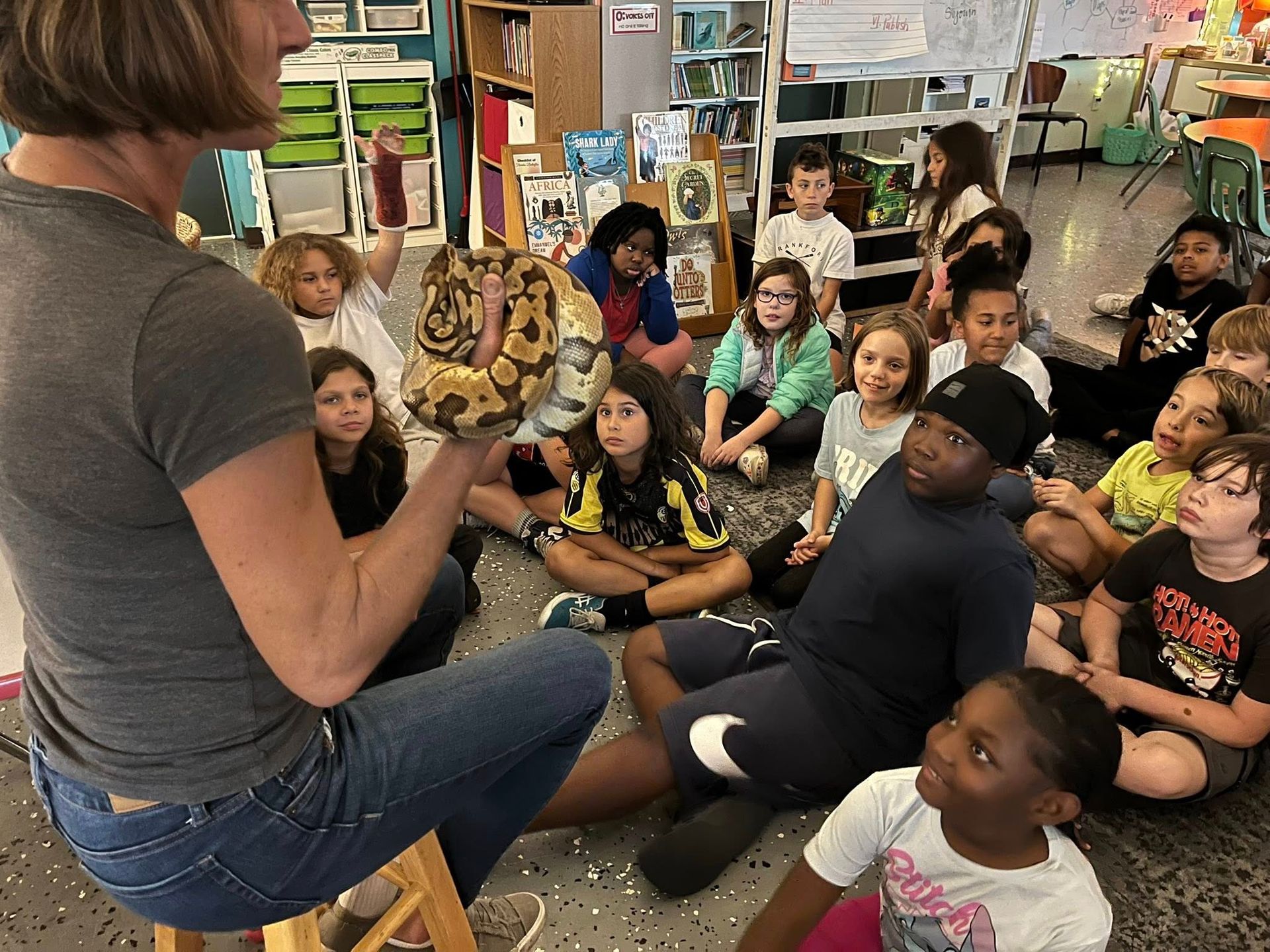
Each child’s growth is supported through small advisory groups that nurture character, faith, and community. Students participate in Bible study, tai chi, performing and visual arts work labs, STEM experiences, and physical education that promote balance, creativity, and well-being. Through this holistic approach, students develop not only academic strength but also confidence, empathy, and purpose as lifelong learners.
In third grade, students grow as independent readers, writers, and problem-solvers. They learn to plan, organize, and sequence their ideas as they draft, revise, and publish meaningful writing. Students use feedback to improve their work and apply conventions of standard English—grammar, punctuation, capitalization, and spelling—to make their writing clear and engaging. They also build fluency and expression by mastering cursive handwriting and learning to write all upper- and lowercase letters smoothly and legibly.
As readers, third graders strengthen their ability to decode grade-level texts with accuracy and fluency, reading with confidence and expression. They deepen their comprehension by learning to compare, analyze, and evaluate texts, asking thoughtful questions and organizing ideas to understand both stories and informational passages. They begin to notice how figurative language adds richness and emotion to what they read, and they experiment with using these techniques in their own writing.
In math, students develop a deep understanding of numbers and operations, build fluency with multiplication and division, and explore fractions, patterns, and measurement. They apply reasoning to real-world problems, use multiple strategies to find solutions, and strengthen their ability to explain and justify their thinking. Through games, hands-on tasks, and discussions, third graders gain confidence as mathematicians who see the connections between math and everyday life.
In fourth grade, students strengthen their foundation as thoughtful readers, writers, and problem-solvers. They continue refining their ability to plan, draft, and revise their writing, using feedback to produce polished final pieces that show care and creativity. They apply correct grammar, punctuation, capitalization, and spelling consistently, and they use figurative language to bring expression and voice to their work.
As readers, fourth graders continue to decode grade-level texts with accuracy and fluency, reading smoothly and with growing comprehension. They move beyond basic understanding to evaluate and compare texts, noticing how authors use language, structure, and figurative details to convey meaning. They ask deep questions, draw connections across genres, and support their ideas with evidence from the text.
Mathematical thinking also becomes more complex in fourth grade. Students read, write, and compare multi-digit numbers up to one million and use place value to round and estimate. They practice all four operations—addition, subtraction, multiplication, and division—with larger numbers, often solving multi-step problems that require reasoning and persistence. By applying math to real-world situations through projects, games, and group discussions, students learn to think critically, explain their reasoning, and work confidently with others.
Throughout grades three and four, students are encouraged to take ownership of their learning and to see themselves as capable, creative thinkers. They learn to plan ahead, stay focused, and collaborate with empathy and respect. Perseverance, curiosity, and a growth mindset help them approach challenges with confidence and care.
Students also learn to question, investigate, and analyze data to explain their findings, using evidence to draw logical conclusions. They interpret, compare, and analyze maps, charts, and globes to understand geography and how people connect across places. They practice organizing, clarifying, and sequencing information to present it clearly, using strong verbal and nonverbal communication skills through hands-on, problem-based, cooperative group projects.
By the end of fourth grade, students demonstrate independence, problem-solving abilities, and clear communication that prepare them for continued success in school and beyond.
K-1-2 Learning Overview
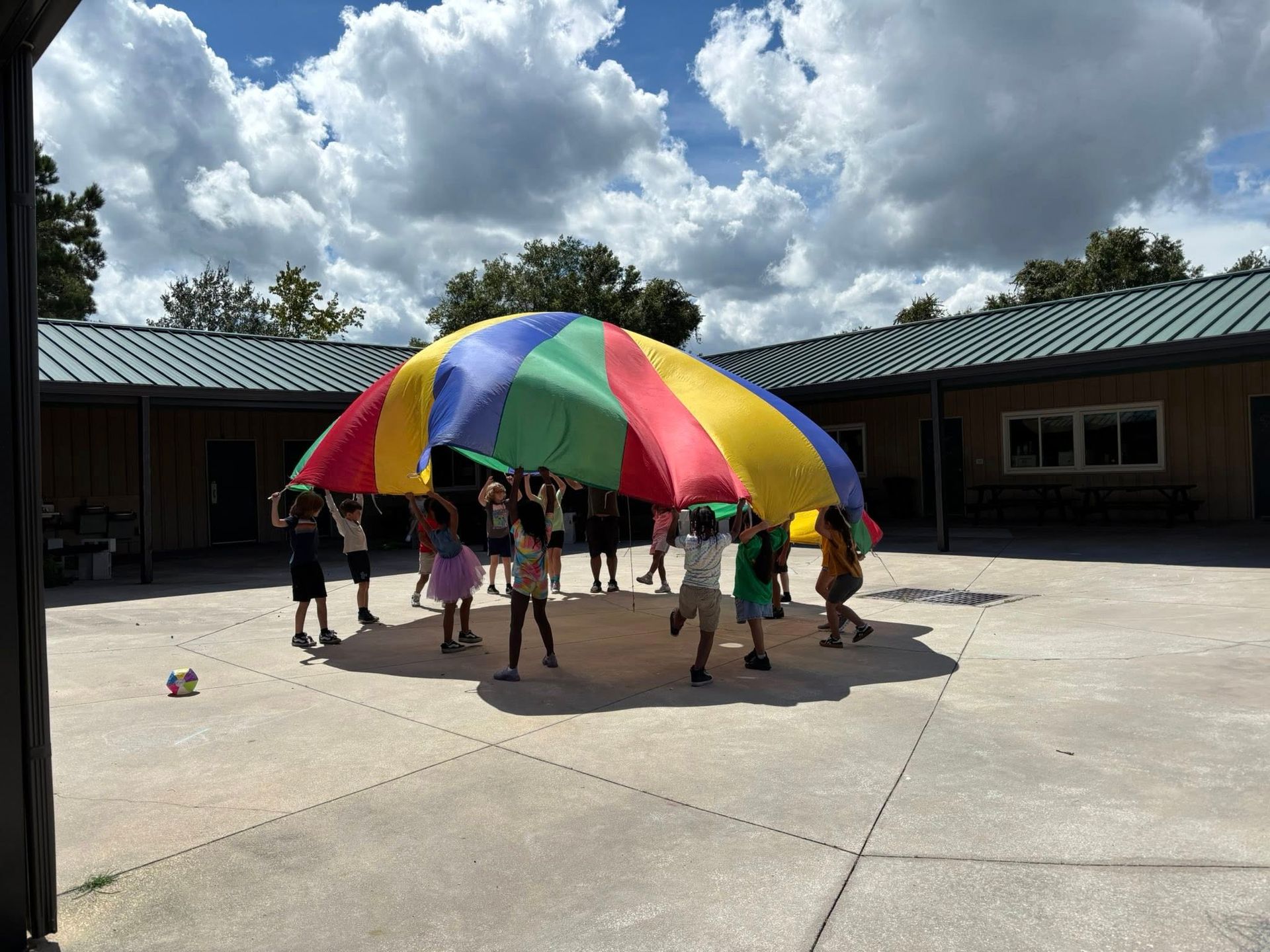
In early development at TFA, students begin to learn their God-given purpose.
3rd & 4th Learning Overview
Through a holistic approach, students develop not only academic strength but also confidence, empathy, and purpose as lifelong learners.

5th & 6th Learning Overview
We believe students are uniquely made with different strengths and talents.
Middle School Girls
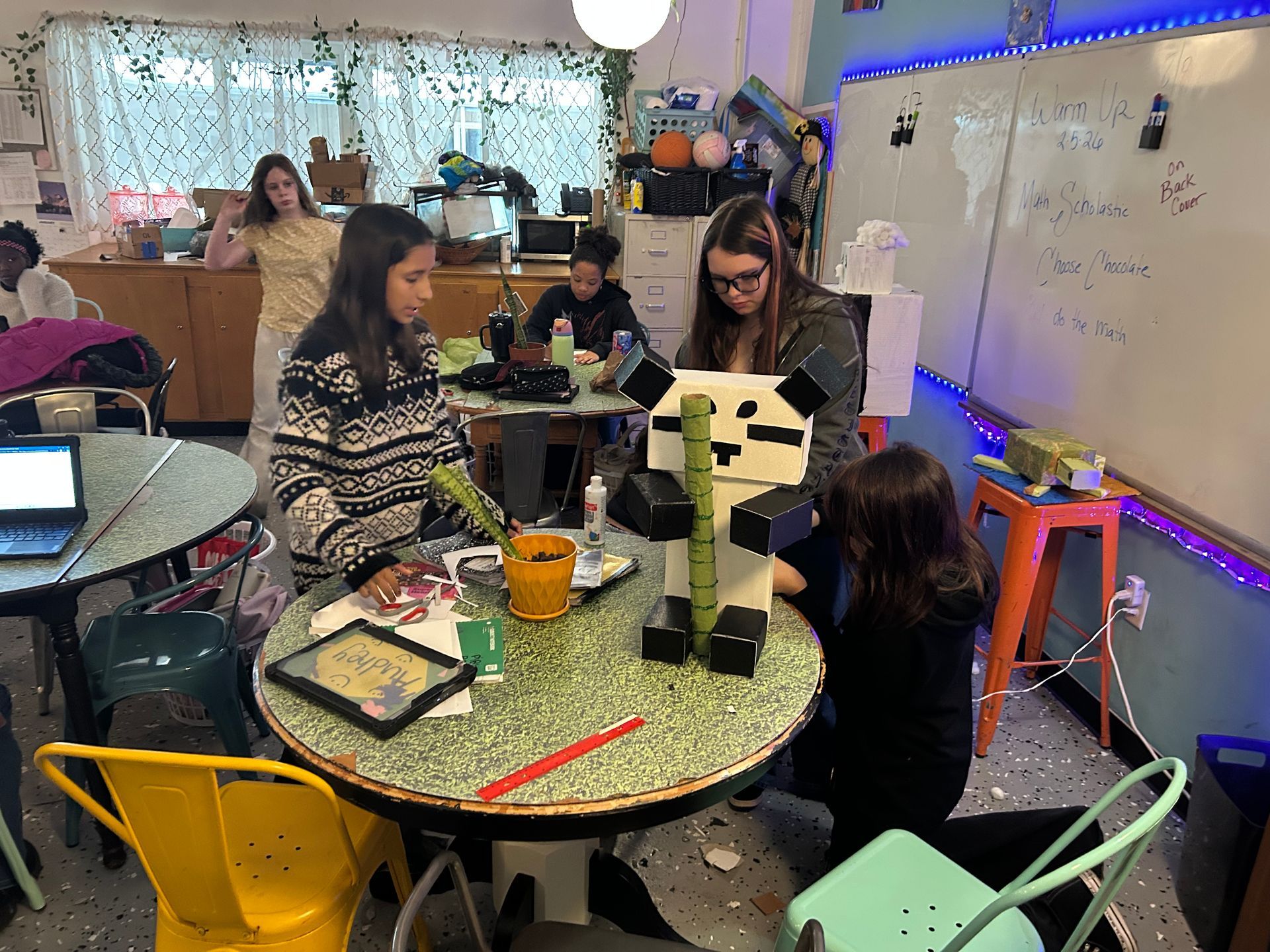
Our middle school girls are challenged to grow academically, spiritually, socially, and personally in a supportive classroom community where collaboration and perseverance are daily practices.
Middle School Boys
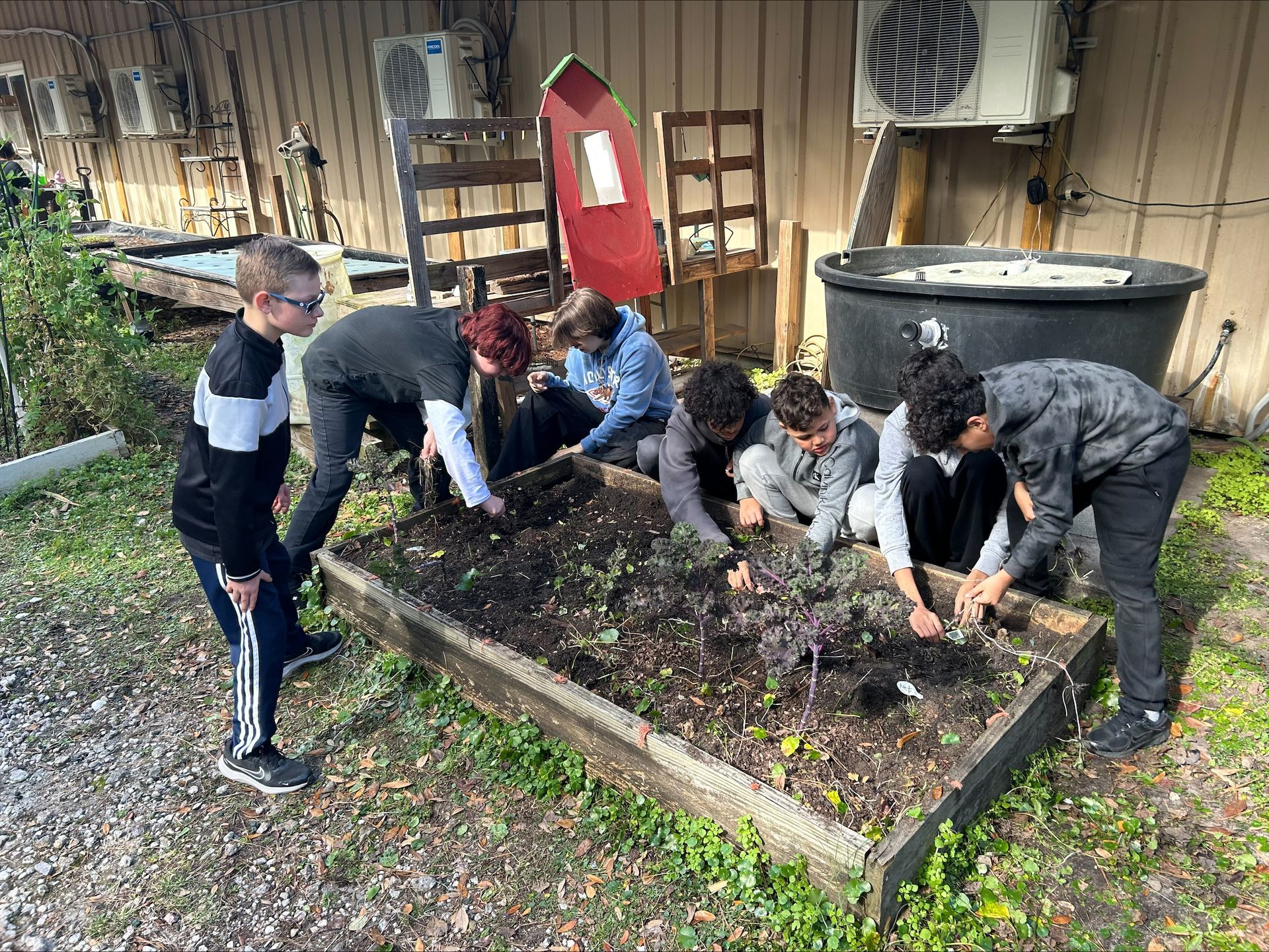
Our middle school boys' program emphasizes whole student development, combining faith, reflection, and practical skills.
Jr. High Learning Overview
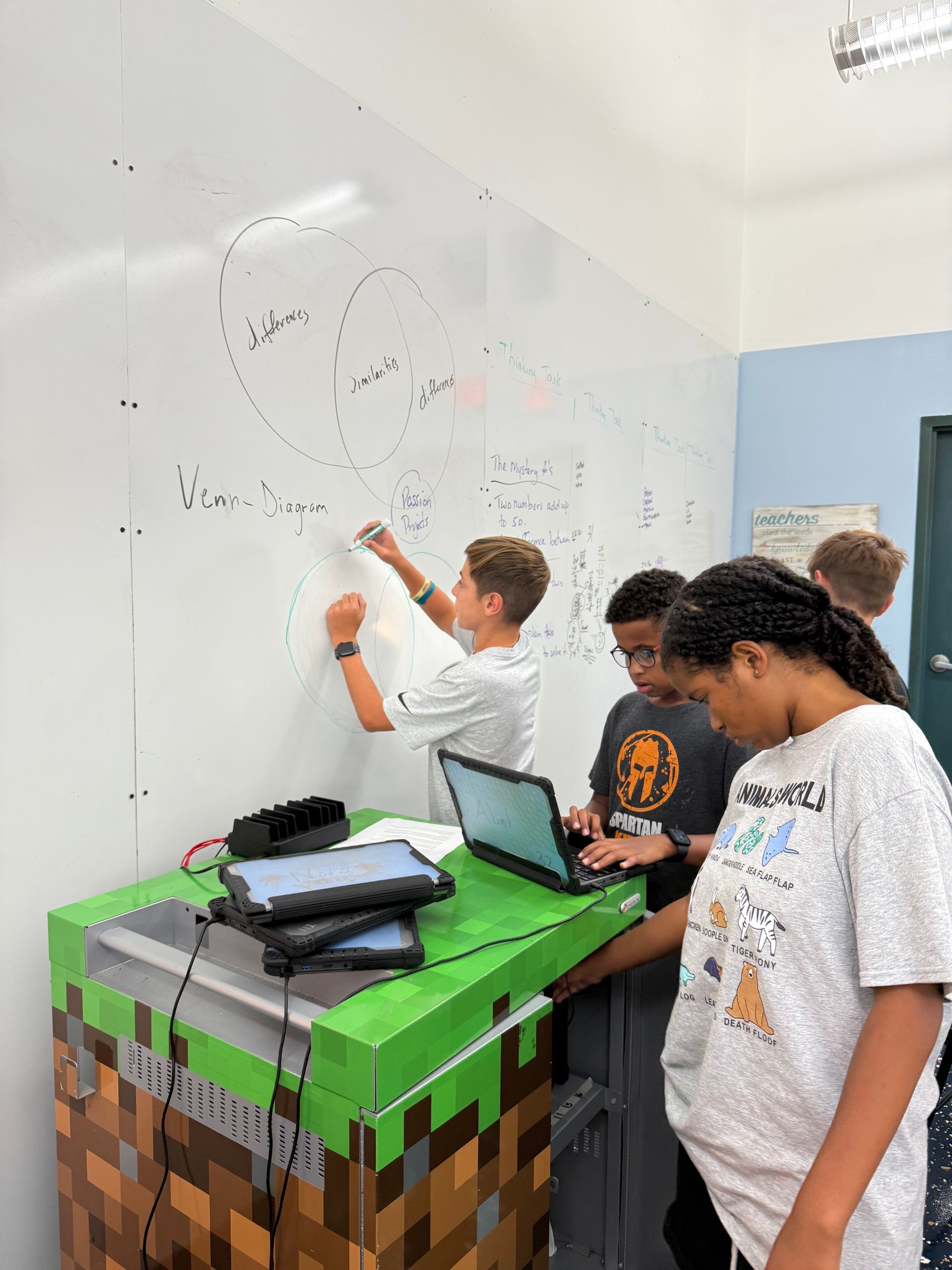
The Foundation Academy’s Junior High STEAM program is designed to educate the whole child by combining rigorous academics with critical thinking, inquiry, life skills, and social-emotional growth. Through a cross-curricular, project-based model, students gain the tools to become adaptable, responsible, and future-ready learners.
High School Learning Overview
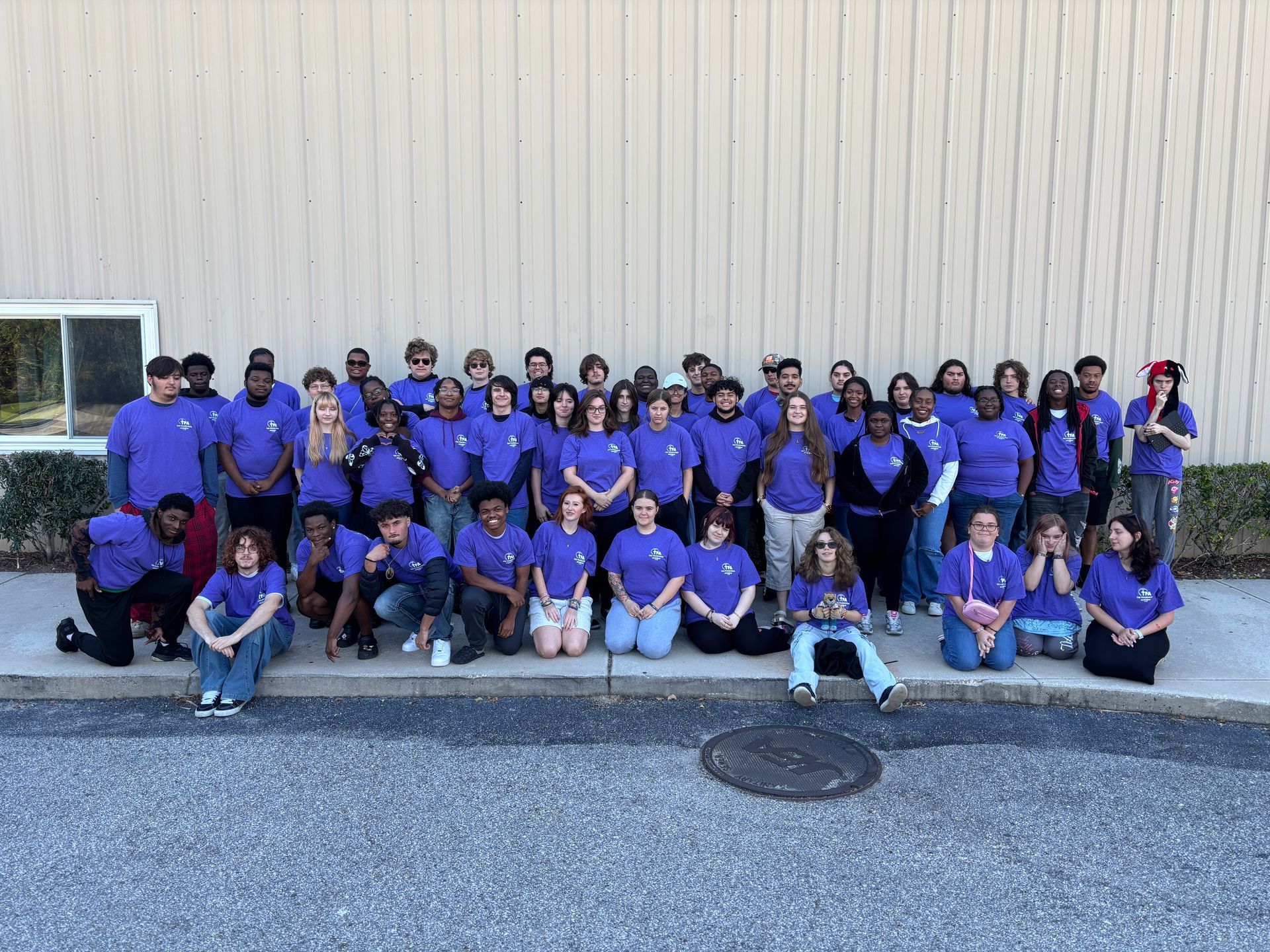
Guided by our Senior Expectations and five domains of growth, students in grades 10-12 engage in rigorous academics, faith formation, and real-world application.