
K-1-2 Learning Overview
In early development at TFA, students begin to learn their God-given purpose.
TFA student learning is aligned with the principles found in our TFA Senior Expectations. We use research-based child development, including Erik Erikson– Psychosocial Theory, Jean Piaget- Cognitive Development Theory, and B.F. Skinner – Behaviorism theory. We believe students are uniquely made with different strengths and talents. In their early development at TFA, they begin to learn their God-given purpose. They are engaged in Performing and Visual Arts, daily Bible study, and Health and Physical Education. Our students are loved and cared for all within safe, supportive, and creative classrooms.
In Kindergarten , students begin building the foundations of literacy and math through play, movement, and hands-on activities. They learn to listen carefully during group reading, explore letter sounds and symbols, and begin to recognize patterns in words through rhyming and syllables. They practice retelling stories and sharing their own ideas, while also learning to write their names and express themselves in simple ways. In math, kindergartners work with numbers by comparing groups, using objects to add and subtract, and reading and writing numbers up to 20. They also explore patterns, classify objects by similarities and differences, and begin using critical thinking to make predictions and explain their reasoning.
In first grade , these skills expand as students become more independent readers and writers. They begin decoding words by blending sounds, using sight words, and recognizing common spelling patterns. They also learn to retell key story details in their own words and begin writing short words and sentences with growing confidence. In math, first graders deepen their understanding of numbers and place value, explore addition and subtraction in more complex ways, and extend patterns by identifying rules. They practice sorting and organizing information, work with numbers up to 100, and continue strengthening their problem-solving and critical thinking skills.
By second grade , students are ready to apply their growing skills with greater independence. In reading, they listen, ask questions, and clarify ideas while working in groups. They use phonics and word analysis to decode words, organize sound patterns, and begin writing full sentences with proper capitalization, spacing, and punctuation. They also practice expressing themselves clearly in writing by organizing and sequencing their thoughts. In math, second graders build strong number sense through place value, compare and order numbers, and work with addition and subtraction within 100. They explore the early stages of multiplication through equal groups, look for rules in patterns, and continue to develop reasoning by making predictions and estimations.
Across all grades, students practice important workplace and social habits that help them succeed both in school and in life. They learn to respect and collaborate with others, use time wisely, stay on tasks, and develop perseverance and self-motivation. Through project- and inquiry-based learning, children also explore concepts in science and social studies. They investigate the world with their senses, ask thoughtful questions, and solve problems with their classmates. They discover what living things need to survive, how plants, animals, and people adapt, and how communities and cultures have changed over time. Students also build map skills by locating places in the world, including their own home.
Together, these experiences give students the foundation to grow as curious learners, creative problem-solvers, confident readers and writers, and thoughtful community members.
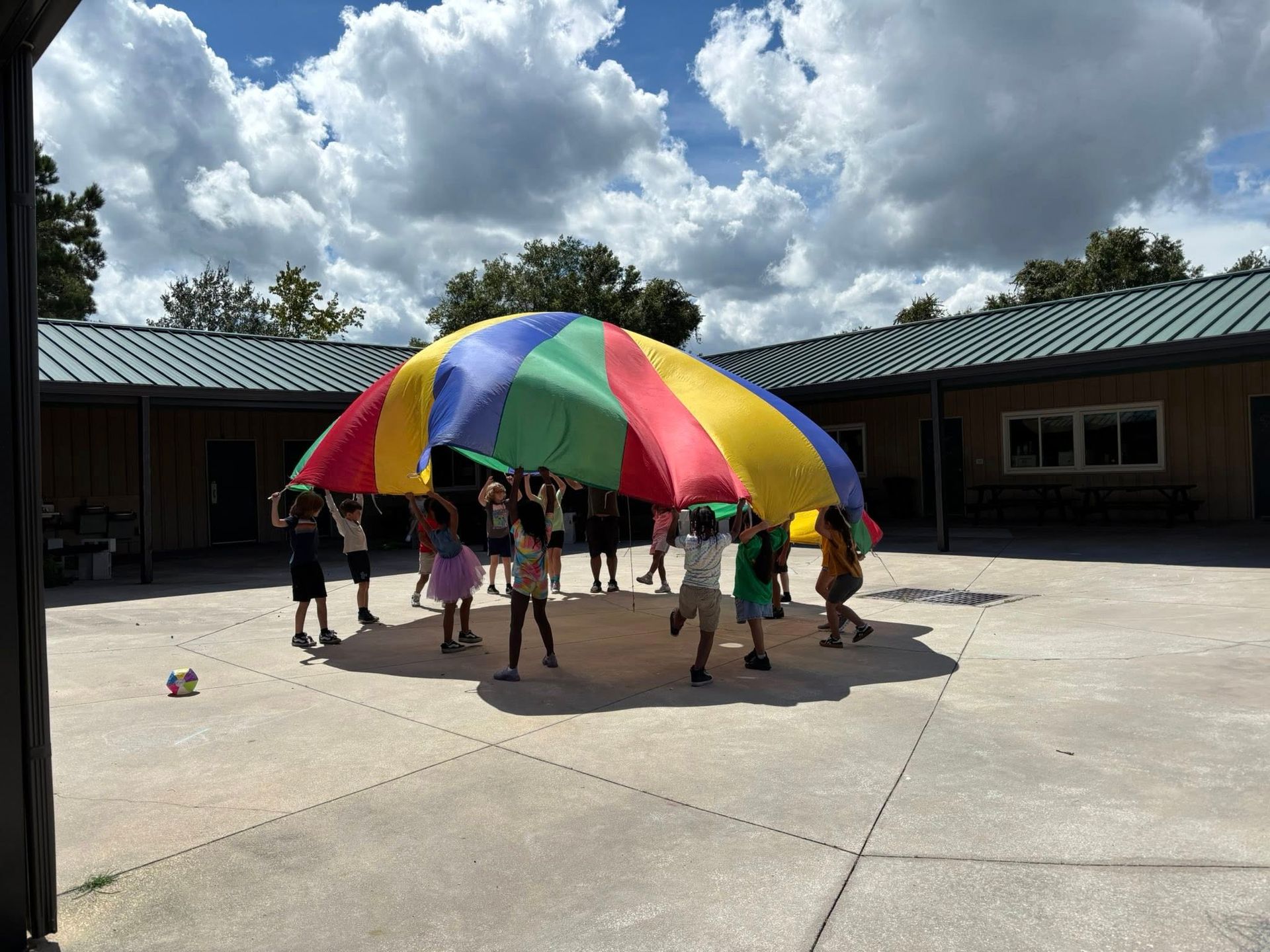
K-1-2 Learning Overview
In early development at TFA, students begin to learn their God-given purpose.
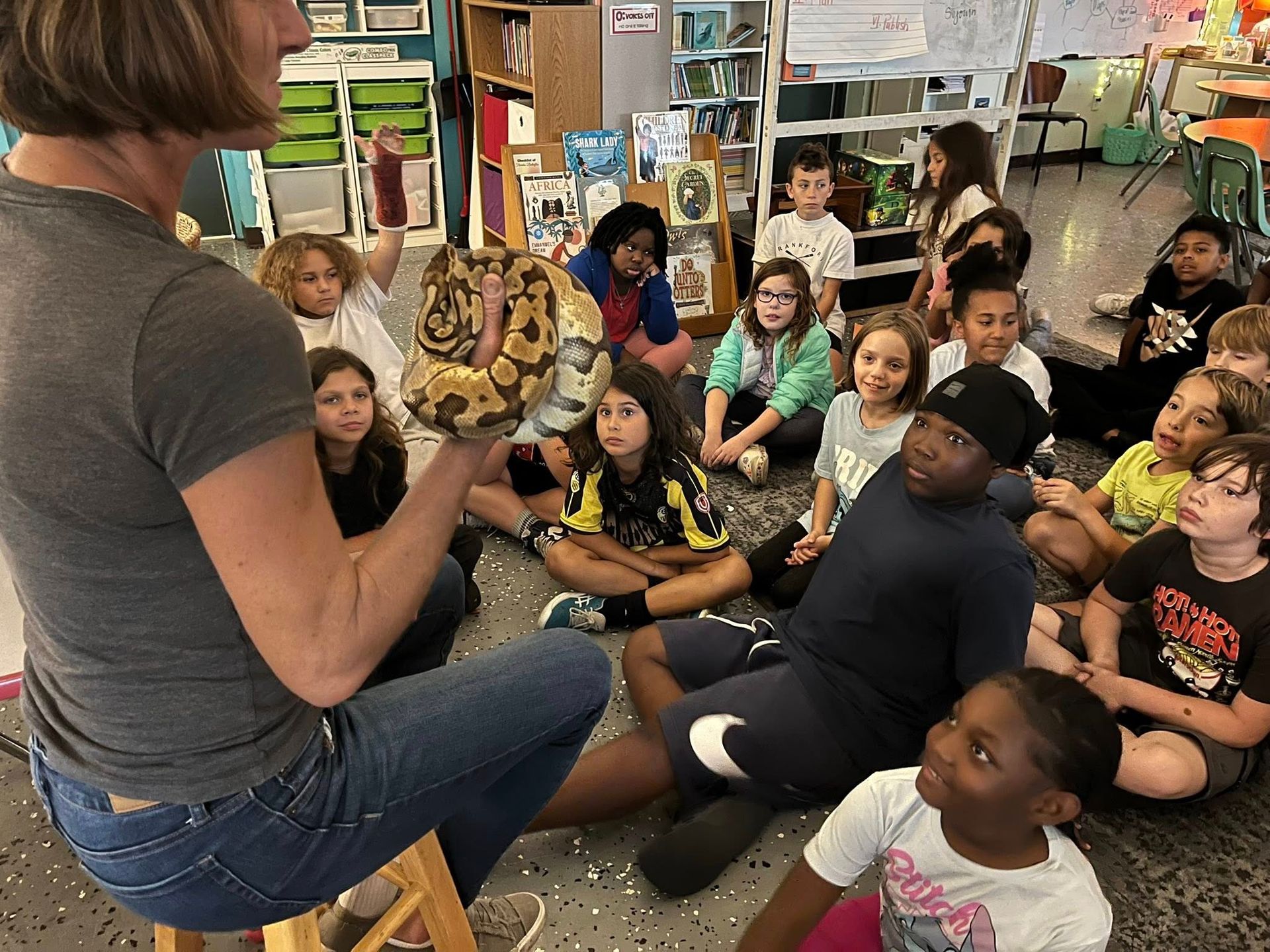
3rd & 4th Learning Overview
Through a holistic approach, students develop not only academic strength but also confidence, empathy, and purpose as lifelong learners.

5th & 6th Learning Overview
We believe students are uniquely made with different strengths and talents.
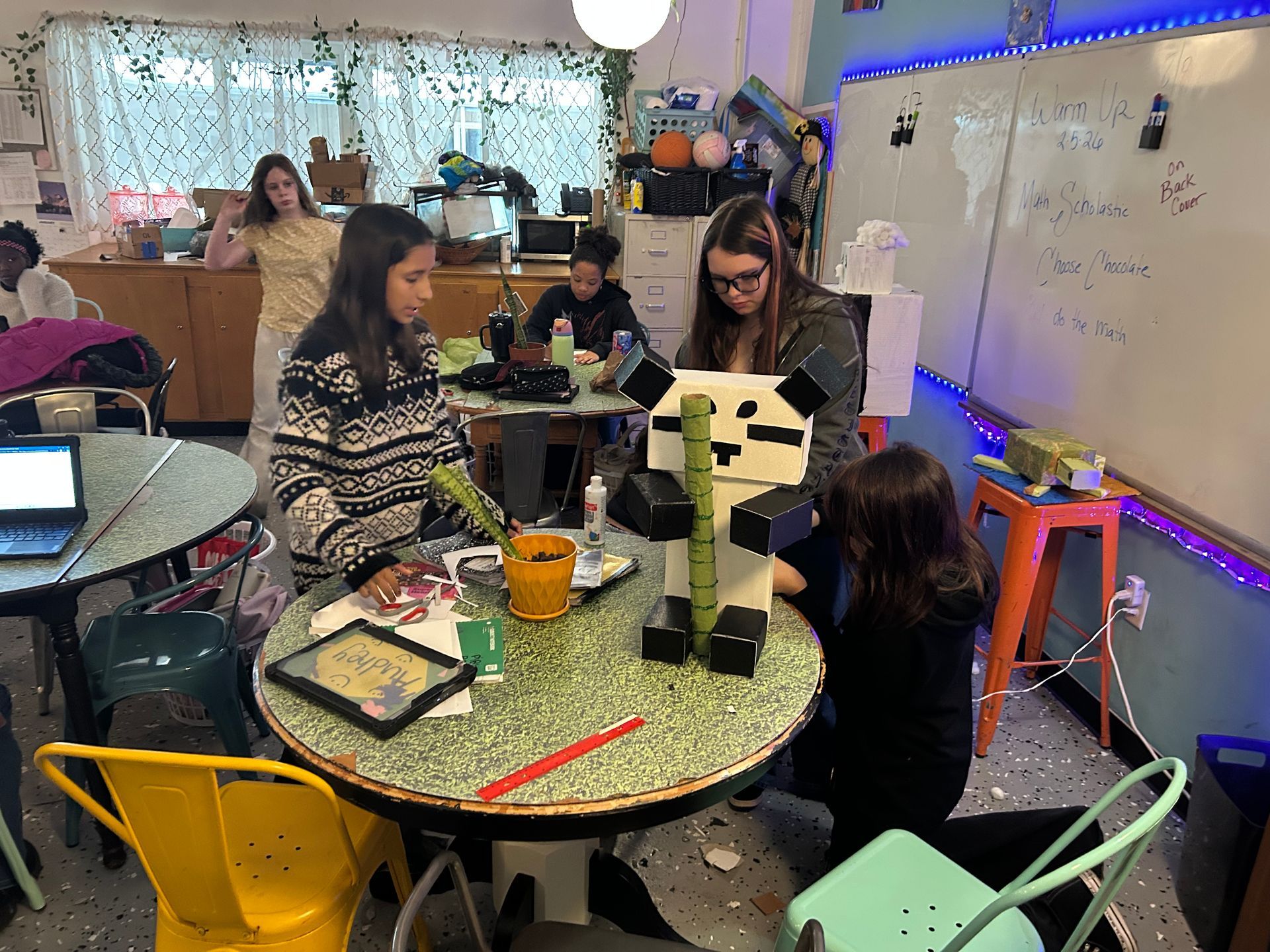
Middle School Girls
Our middle school girls are challenged to grow academically, spiritually, socially, and personally in a supportive classroom community where collaboration and perseverance are daily practices.
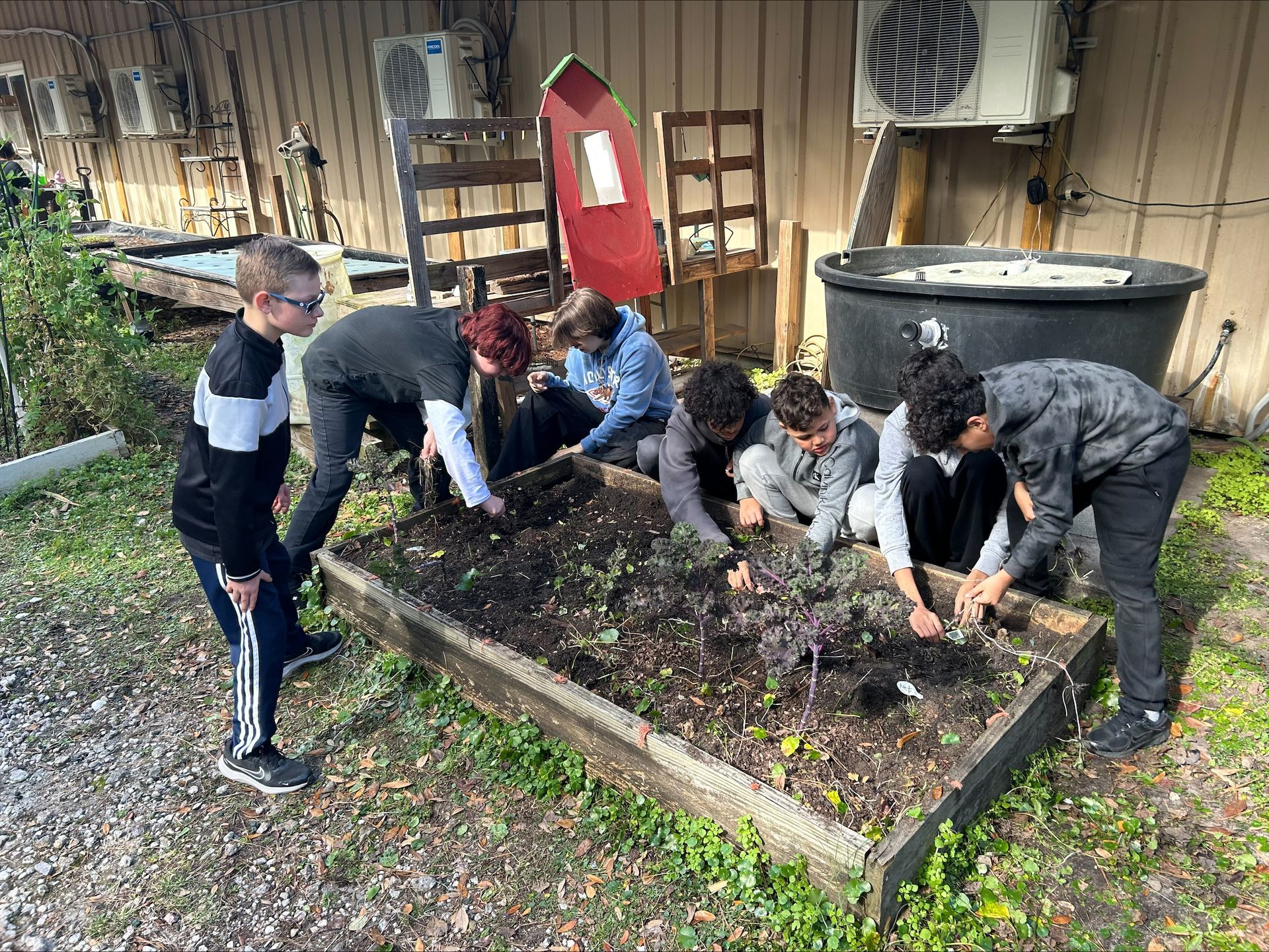
Middle School Boys
Our middle school boys' program emphasizes whole student development, combining faith, reflection, and practical skills.
Jr. High Learning Overview
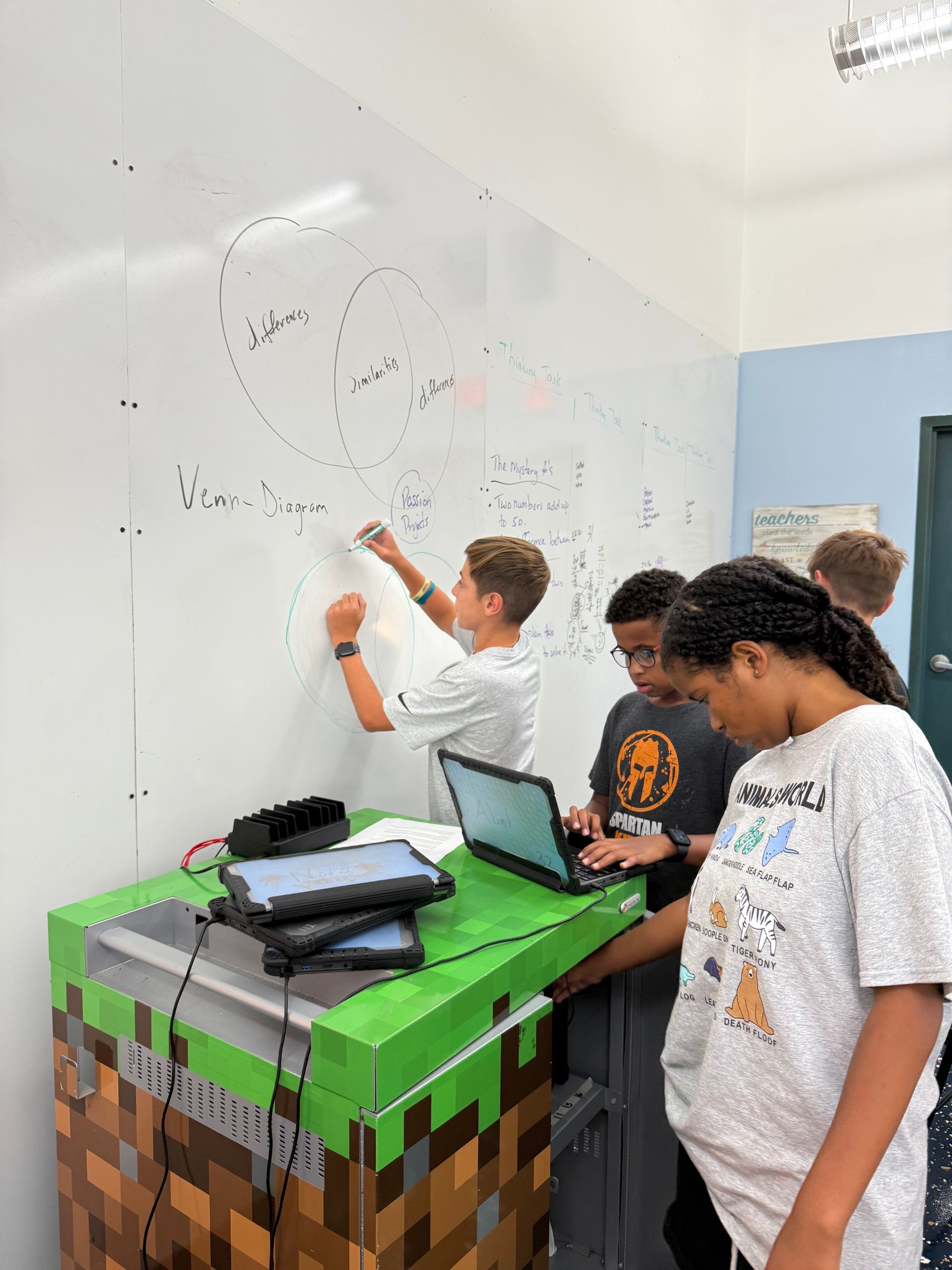
The Foundation Academy’s Junior High STEAM program is designed to educate the whole child by combining rigorous academics with critical thinking, inquiry, life skills, and social-emotional growth. Through a cross-curricular, project-based model, students gain the tools to become adaptable, responsible, and future-ready learners.
High School Learning Overview
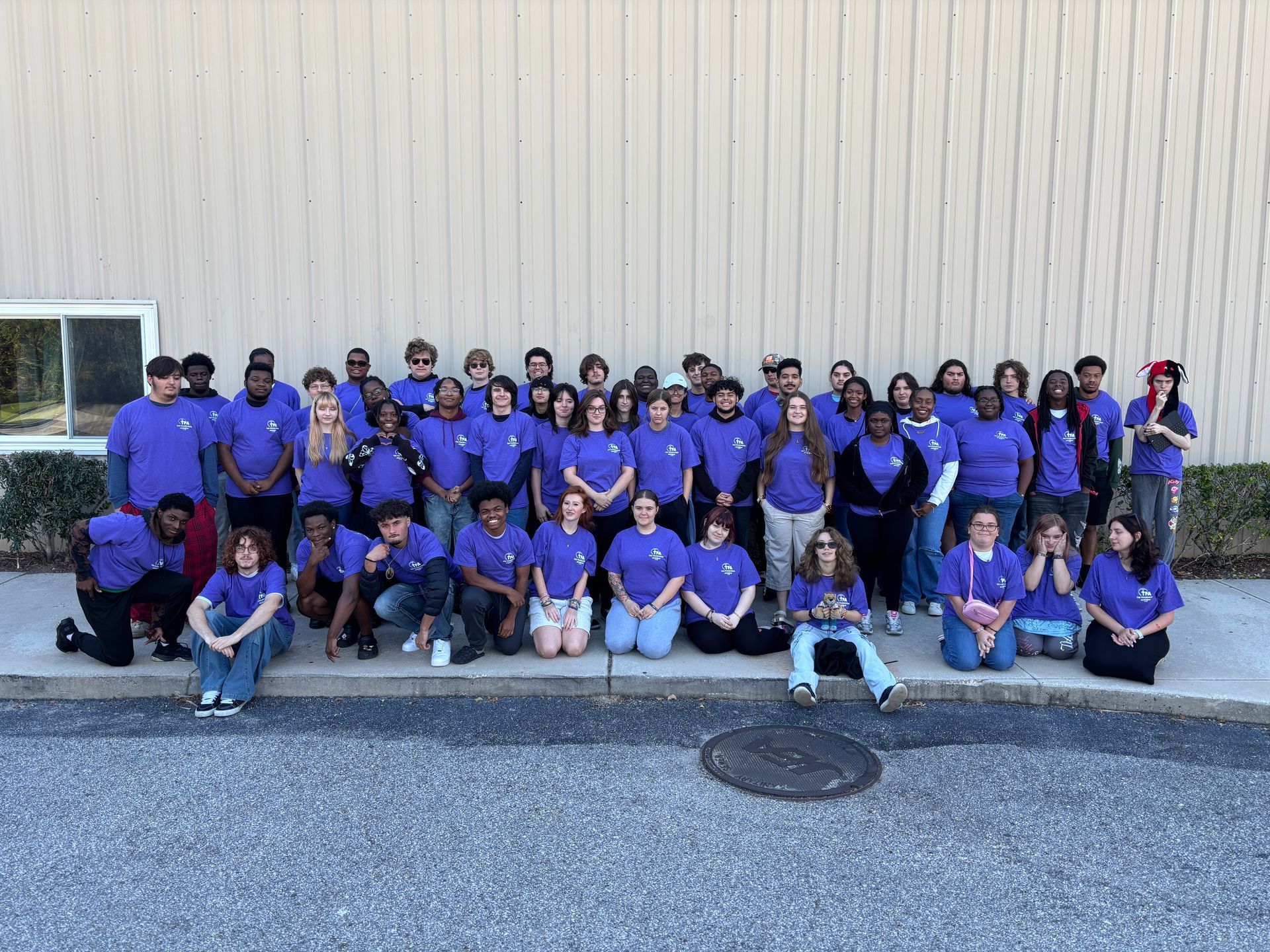
Guided by our Senior Expectations and five domains of growth, students in grades 10-12 engage in rigorous academics, faith formation, and real-world application.